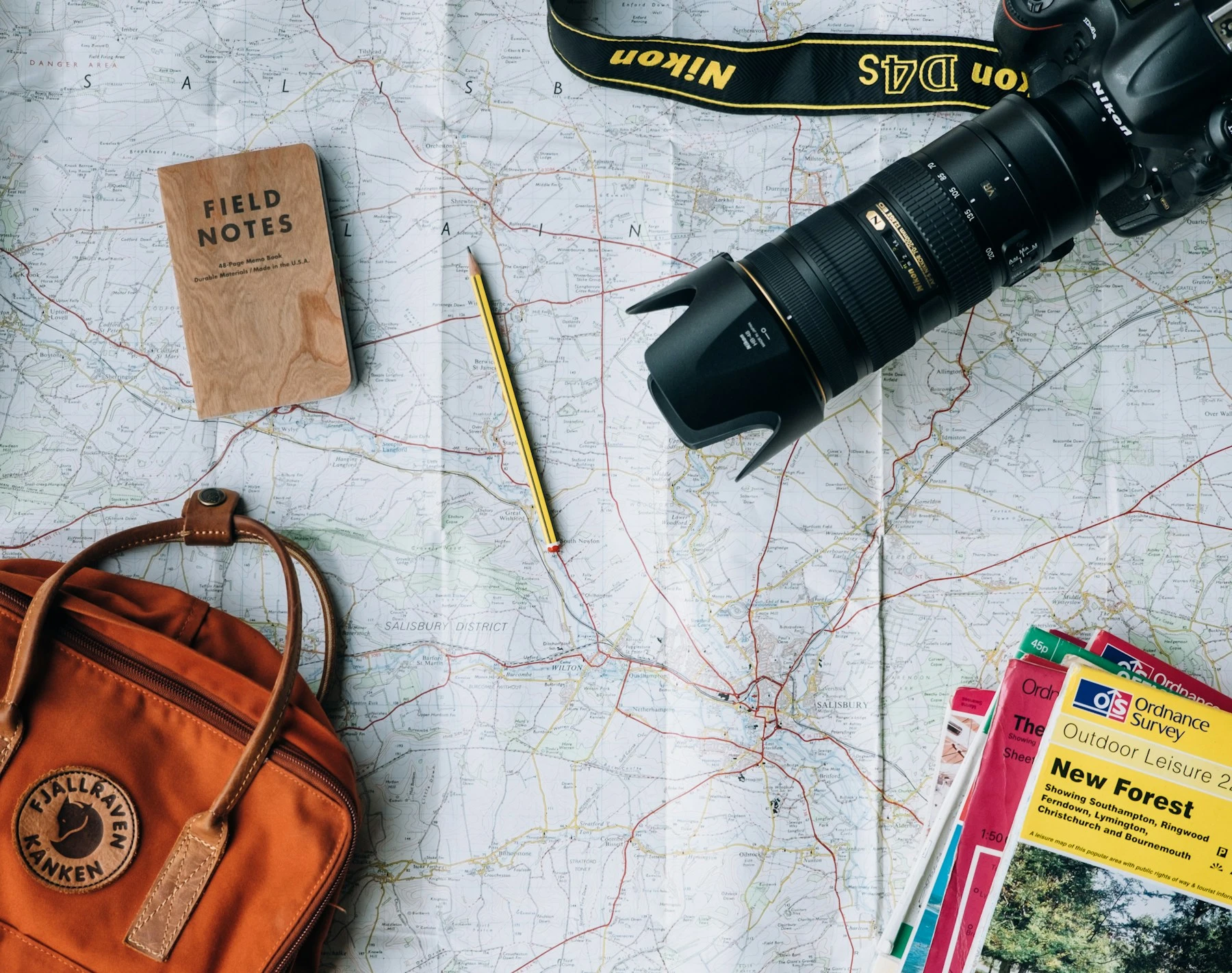
The bag tends to grow when the plan is vague. An extra pair of shoes becomes another outfit, and the outfit needs a different jacket. Start with the shape of the trip instead: where you will sleep, how you will travel, and what an ordinary day is likely to involve.
Lay out days, not possibilities
Put together a workable set of clothes for the activities you have planned. Choose pieces that can be worn together, and check whether laundry facilities are available. A trip with access to washing may call for a different bag from a short stay without it.
Keep arrival things near the top
Make the first few hours easy. Keep travel documents, the first change of clothes, and anything you need before unpacking somewhere you can reach. Children’s familiar items can help an unfamiliar room feel less strange.
Give every extra a reason
Ask when you expect to use an item. If the answer is a complicated chain of maybes, pause before adding it. A little spare capacity is useful too; a tightly packed bag is harder to live out of during the trip.
Leave a note for next time
After you get home, write down what stayed unused and what you wished you had brought. Your own short list will be more useful than someone else’s enormous checklist.
A few good ideas. A little room to make them your own.